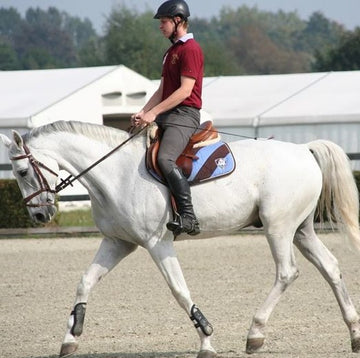
What is a Horse Heart Rate Monitor?
A Horse Heart Rate Monitor is a device that measures your horse’s pulse in real time during rest, training and competition.
Most systems include:
- A sensor
- An app (watch, phone)
The principle is simple: the sensor records electrical activity from the heart, sends it to the receiver, and you see the horse’s heart rate as beats per minute (bpm).
Why Heart Rate Matters in Horses
Heart rate is one of the clearest windows into how your horse’s body is coping with workload.
A Heart Rate Monitor helps you see:
- Intensity – how hard the cardiovascular system is working
- Fitness – how quickly heart rate rises and falls with effort
- Recovery – how fast the heart rate drops after an interval or round
- Stress or pain – unusually high heart rate at low workload can be a red flag
Instead of relying only on sweat, breathing noise and “feel”, you get objective numbers.
Key Benefits of Using a Horse Heart Rate Monitor
1. Smarter, Structured Training
With a Horse Heart Rate Monitor, you can:
- Train in specific heart rate zones (easy, aerobic, anaerobic, max)
- Progress training in small, safe steps instead of random jumps
- Compare one session to another and track improvement over weeks and months
This is particularly useful for:
- Endurance and eventing horses
- Young horses being brought into work
- Horses coming back after time off
2. Better Recovery and Overload Control
Monitoring how fast heart rate drops after effort tells you a lot:
- Quick recovery = good fitness and appropriate workload
- Slow recovery = possible fatigue, too hard work, heat stress or underlying issues
You can use this to:
- Decide when to add more intensity or volume
- Know when to back off and give your horse more rest
- Avoid pushing through early signs of overload
3. Early Warning of Health and Stress Problems
A Heart Rate Monitor will not diagnose disease, but it can highlight that something is “off”:
- Higher than normal heart rate at walk or trot
- Spikes that don’t match the actual effort
- Poor recovery compared to the same session a few weeks earlier
This can point to:
- Discomfort
- Respiratory or cardiac issues
- Dehydration or heat stress
- General overtraining or poor recovery between sessions
Used over time, heart rate trends can prompt you to call a vet earlier instead of waiting until the problem becomes obvious.
4. Safer Work in Heat and Demanding Conditions
In hot weather, deep footing or intense work, a Horse Heart Rate Monitor helps you:
- Stay within safe limits for longer sessions
- Adjust pace and duration before your horse is exhausted
- Decide when it’s time to walk, cool, or stop
That’s especially valuable for:
- Endurance rides
- Cross-country schooling
- Long beach or forest rides in summer
- Older horses or horses with a medical history